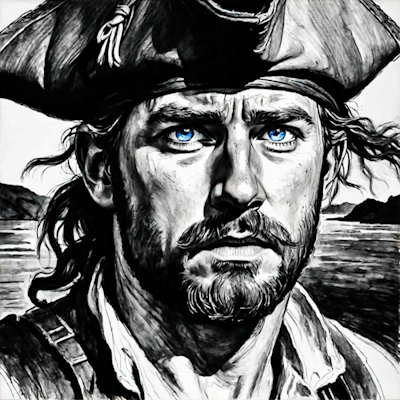
Pirate captains were unlike captains on merchant and naval ships and even on some privateer vessels, who, usually coming from the privileged class, had absolute authority on their ships and could act like tyrants without repercussion. The amount of authority a pirate captain had could vary from vessel to vessel. Pirates weren’t generally willing to accept too much authority and it would have been difficult to lead a group of individuals who valued their liberty above all else through coercion, although the crew generally accepted they needed a some sort of representative or figurehead. Many mariners had turned to piracy precisely because of the strict discipline and harsh punishments of life on merchant and naval ships.
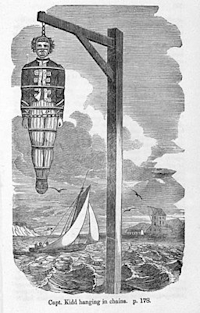
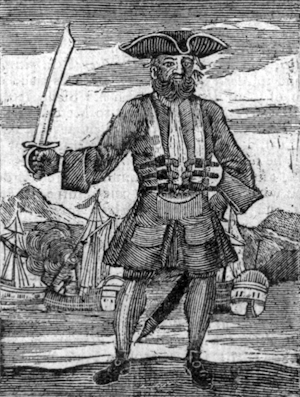 Most of the information we have available to us about the infamous and mysterious pirate known as Blackbeard is somewhat unreliable. Due to his estimated age when he met his death of between 35 and 40 years old, it is believed he was born circa 1680. What is certain is the date died – 22 November 1718. He was commonly known as Edward Teach or Thatch, but other spellings of his name include Thach, Thack, Tack, and Theach, but all these names might have been pseudonyms he used in order to protect the family name. The name Teach was mentioned in the Boston News-Letter of the time, but it may have been a spelling error. Other sources use the name Thatch, especially those who knew him personally. He was described by Henry Bostock, captain of the merchant sloop Margaret, which was taken off Crab Island near Anguilla, as being tall and thin and possessed of an immense black beard.…