
The Republic of Pirates: Being the True and Surprising Story of the Caribbean Pirates and the Man Who Brought Them Down by Colin Woodard
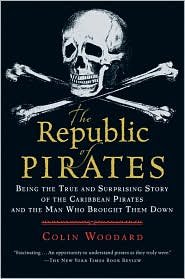 In the early eighteenth century, the Pirate Republic was home to some of the great pirate captains, including Blackbeard, “Black Sam” Bellamy, and Charles Vane. Along with their fellow pirates—former sailors, indentured servants, and runaway slaves—this “Flying Gang” established a crude but distinctive democracy in the Bahamas, carving out their own zone of freedom in which servants were free, blacks could be equal citizens, and leaders were chosen or deposed by a vote. They cut off trade routes, sacked slave ships, and severed Europe from its New World empires, and for a brief, glorious period the Republic was a success.
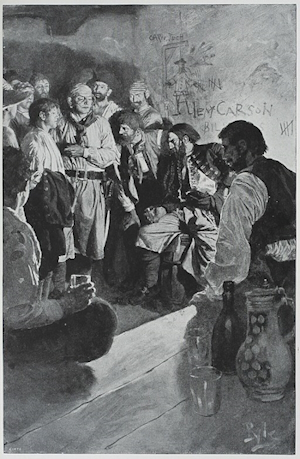 The term quartermaster can be confusing, as the meaning can vary according to the context. The quartermaster on a naval vessel stood watch next to the helmsman and was responsible for maintaining the ship’s course, whereas in armies on land, a quartermaster was an officer who supervised logistics and requisitions, managed the stores and barracks, and distributed supplies and provisions. A pirate quartermaster had numerous, less well defined responsibilities, which could vary from ship to ship.
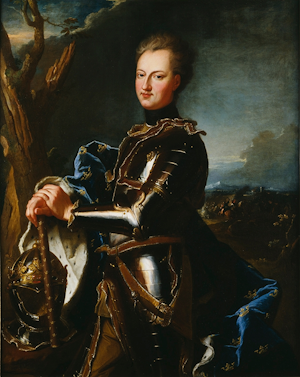 At the time the war broke out, Sweden was one of the most powerful countries in Europe. The French writer Voltaire (1694-1778) called it the ‘Famous War of the North.’ From 1560 and 1700, the Swedes had built up a Baltic Empire under great leaders such as Gustavus Adolphus with their small but professional army, including occupying the provinces of Karelia, Ingria, Estonia, and Livonia in the east and Western Pomerania, Wismar, the Duchy of Bremen, and Verden, as well as parts of Denmark and Norway in the west.