
The full title of the Navigation Act was: An Act for increase of Shipping, and Encouragement of the Navigation of this Nation. Applied to England and Wales. The aim was to promote and regulate English shipping, fisheries, and trade with other countries and the colonies. The series of acts was based on the mercantilist principle, which was a protectionist economic system in use from the 16th to 18th centuries. The aim was to make the number of exports higher than that of imports, attempting to build state power by accumulating wealth in the form of precious metals like gold and silver, especially from the colonies. There were several Acts over the years: in 1651, 1160, 1663, 1673, and 1696, as well as several related acts. The acts strengthened English ship building and presented England with guaranteed markets for its good. In the colonies the acts restricted trade and discouraged manufacturing. On the other hand, they encouraged smuggling and the support for piracy there. The resentment at being exploited for raw materials and the restriction of economic freedom might have contributed to the outbreak of the American War of Independence in 1775.
1650 and 1651 Navigation Acts
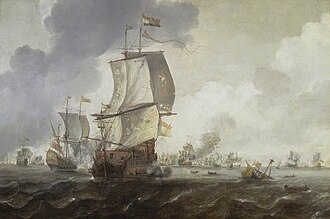 The Navigation Act was first enacted by parliament on 1st August 1650 during the English Civil War to prevent trade with colonies that had remained loyal to King Charles. The act made it lawful to seize ships and their cargo if they contravened it. The 1651 Act was passed by parliament under Cromwell on 9th October, banning foreign ships from transporting goods from Asia, Africa, or the Americas to England and its colonies. Foreign ships could transport wares imported from their own country, but not carry those of a third party. Breaking the law resulted in the seizure of the ship and cargo. This act especially targeted the Dutch who were the strongest merchant power and England’s biggest rival at the time. It partially led to the First Anglo-Dutch War (1652-54). You can read the full wording of the 1651 Act on the British History Online website.
1660 Navigation Act
 The long title was of this act was: An Act for the Encouraging and increasing of Shipping and Navigation. Although declaring Cromwellian laws null and void, Charles II saw the benefits of such mercantile laws, so another act was passed on 13th September 1660, replacing the 1651 act and becoming the basis for all the acts that followed. Under the law, certain goods like tobacco, sugar, cotton, rice, indigo, and naval supplies, including tar and pitch, could only be exported from the colonies to England or another English colony. Additionally, at least 75% of crews manning English vessels had to be English. This act was not concerned only with shipping, but also shipbuilding and trade. The penalty for non-compliance was the forfeiture of both the ship and its cargo. Other related acts soon followed to protect trade: the Customs Act 1660 established how customs duties would be collected; the Exportation Act 1660 banned the export of wool and wool-processing materials; the Tobacco Planting and Sowing Act 1660 prohibited the growing of tobacco in England and Ireland. Yo can read the 1660 Act on the British History Online website.
1663 Act
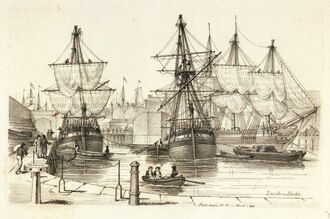 This act was known as An Act for the Encouragement of Trade, also being termed The Encouragement of Trade Act 1663 or The Staple Act, and was passed on 27th July 1663. It stated that all goods imported into the colonies from other European countries had to pass through an English port first in order to be taxed. Trade to colonies had to be transported in English vessels or those of their colonies. The act prevented the colonies from establishing an independent import trade. You can read the wording of the 1663 Act on the British History Online website.
1670 and 1672 Acts
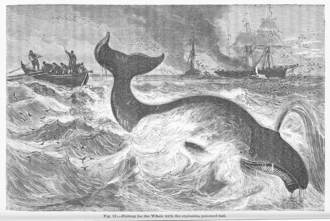 The 1670 act was called The Tobacco Planting and Plantation Trade Act 1670, and it regulated penalties for not paying customs duties on tobacco and sugar. The 1672 act, its full title being: An Act for the incouragement of the Greeneland and Eastland Trades, and for the better secureing the Plantation Trade, promoted whaling and products dervied from it, such as oil and whalebone, by relaxing the 1660 act and allowing up to half the crew to be foreigners, if on English ships, and removing all duties on these products for the next ten years. Furthermore, duties were put on goods traded between colonies, aiming at stopping smuggling. You can read the 1672 Act on the British History Online website.
Further acts
The 1696 Act, or An Act for preventing Frauds and regulating Abuses in the Plantation Trade tightened trade between the colonies, gave colonial customs officers the same power and authority as customs officers in England. It tightened English control over the colonies in an attempt to reduce corruption. Additionally, Vice-Admiralty courts for smugglers, who could be tried without a jury, were set up. The Wool Act of 1699 banned the export of colonial wool to protect England’s textile industry. The Hat Act of 1732 restricted hat making and sales in the colonies. The Molasses Act 1733 levied heavy duties on the trade of sugar from the French West Indies to the American colonies, forcing the colonists to buy the more expensive sugar from the British West Indies instead. The Iron Act 1750 allowed the colonies to send iron to England, but restricted Iron industry in the colonies.
Although the restrictive Navigation Acts might have encouraged the growth of the English shipping industry and of maritime trade, it bred resentment and encouraged widespread support for smuggling and piracy in the colonies. The acts were finally repealed in 1849 under the influence of the free trade ideology of classical liberalism, which stood in opposition to the economic theory of mercantilism, under which national wealth was to be increased by restricting colonial trade to the mother country rather than through free trade.