
 The third book in the Pyrate Chronicles series. His end drawing ever nearer, the condemned pirate William Benton continues to give an account of his fantastic adventures in unknown lands. Although remaining sceptical of the incredible tales, journalist Nathaniel Bagshaw continues to be intrigued by the sea rover’s increasingly unbelievable accounts of the voyage of the Dream Chaser.
After departing from the fabled land of Eldorado and and surviving a deadly encounter with fiendish mythical beings, Captain Ironside and his crew continue their search for a way back to familiar shores. Emerging from the mysterious mist once more, the desperate company of sea robbers find themselves in the midst of a conflict in yet another uncharted realm. They must choose their side in a bitter war between religious zealots and the natives of a utopian society. The choice is not a difficult one, but the pirates are astonished when they learn the origins of their new fanatical adversaries, reveal the truth to an enigma that has puzzled historians for the past few centuries.…
 A General History of the Pyrates by Captain Charles Johnson was published in 1724. As the primary source of biographies of some of the most notorious pirates it influenced popular conceptions of the lifestyles. Missing legs or eyes, burying treasure and the name of the pirates flag the Jolly Roger was introduced in this touchstone of pirate lore as it has been incorporated into popular culture. A General History of the Pyrates has influencing literature and movies to this day.
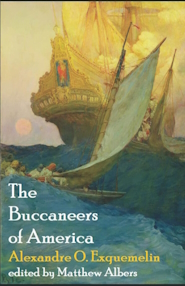 The West Indies in the late 17th Century was home to a group of sea raiders that were not yet pirates, and not quite privateers. The Buccaneers. The Brethren of the Coast, as they called themselves, lived dissolute lives of violence, debauchery, thievery, & murder.
 Over the last couple of decades, an ideological battle has raged over the political legacy and cultural symbolism of the “golden age” pirates who roamed the seas between the Caribbean Islands and the Indian Ocean from roughly 1690 to 1725. They are depicted as romanticized villains on the one hand and as genuine social rebels on the other.
  Villains of All Nations explores the ‘Golden Age’ of Atlantic piracy (1716-1726) and the infamous generation whose images underlie our modern, romanticized view of pirates.